An independent magazine on antiques and collecting in Vermont and New England: clocks, lamps, advertising, china and glass, and the small objects that fill a collector's shelf.
Reading, dating and keeping old objects in Vermont and New England
Antiques and collecting in Vermont and New England. Five sections take an object apart in plain language, in the third person, with the trade bodies and reference sources named.
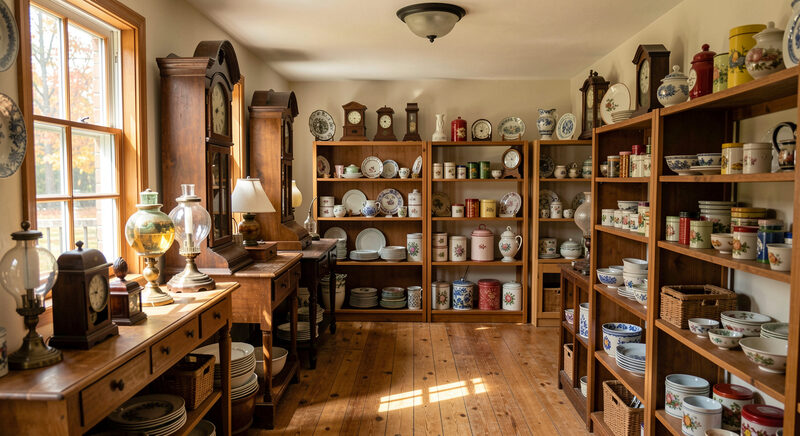
Start with the sections
Five guides, from the clock on the wall to the pin in a drawer
Each section opens with an index of its guides. Pick clocks and lighting, printed advertising, china and glass, or the small objects and country gear.
 01
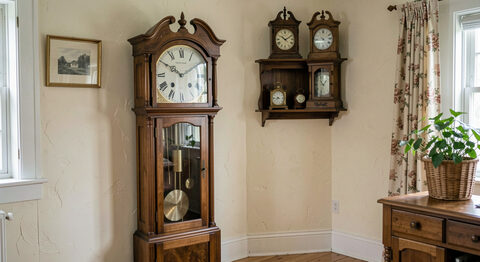
01Antique Clocks
Timekeeping in the old house: tall case and shelf clocks, carriage clocks and ships bell movements, how to read them and how to keep them running.
 02
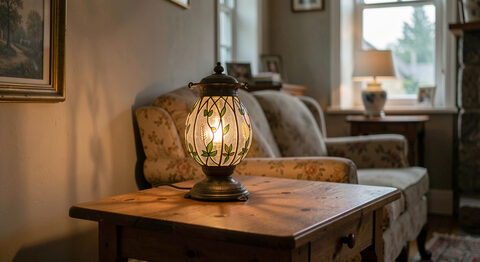
02Lamps and Lighting
Oil lamps and the shades that shaped their light: burners, fonts and bases, and the leaded, slag and reverse painted glass to inspect before buying.
 03
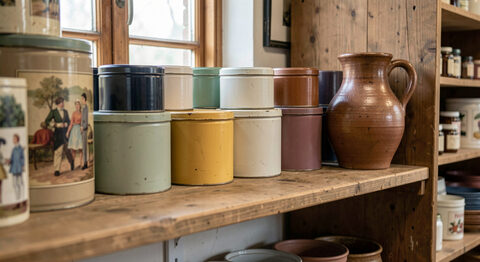
03Advertising and Ephemera
The paper and tin that carried a brand into every home: tins, signs, trade cards and postcards, how they were made and how to spot a reproduction.
 04
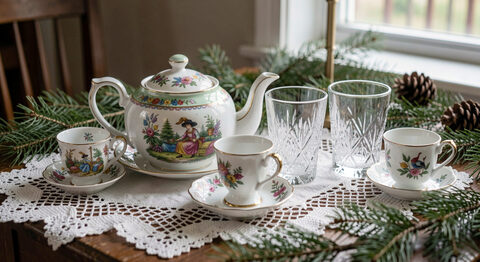
04China, Glass and Porcelain
The table and its manners: porcelain and its marks, pressed and blown glass, the patterns, the sets and the condition that decides value.
 05
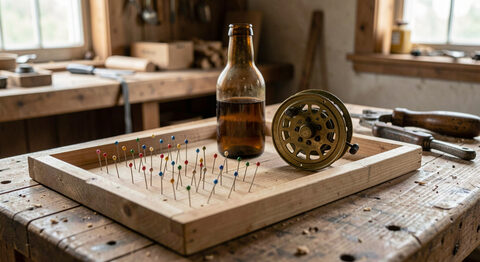
05Smalls and Sporting
The small objects and country gear: jewelry and hatpins, medicine bottles, textiles, toys and the split cane tackle of fly fishing.
Section 1 of 5
Antique Clocks
Timekeeping in the old house: tall case and shelf clocks, carriage clocks and ships bell movements, how to read them and how to keep them running.
Antique Clocks
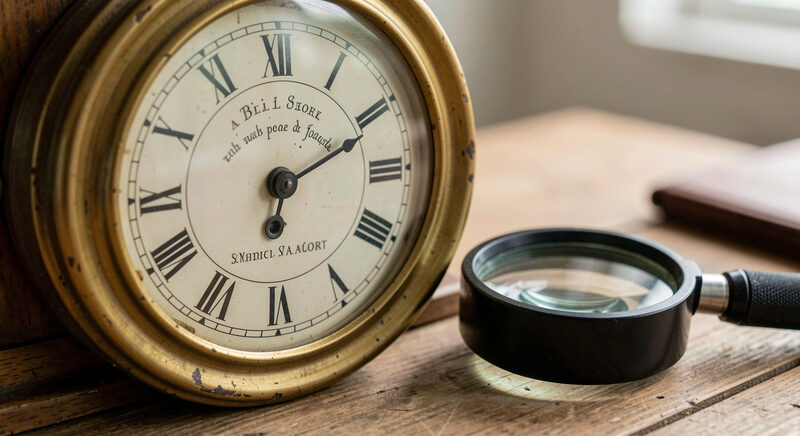
How to Date an Antique Clock
Read a clock's dial, movement, case and maker marks to place it in time, and learn which features date a clock most reliably.
Dial, movement, case, marks: the order that places a clock.
Antique Clocks
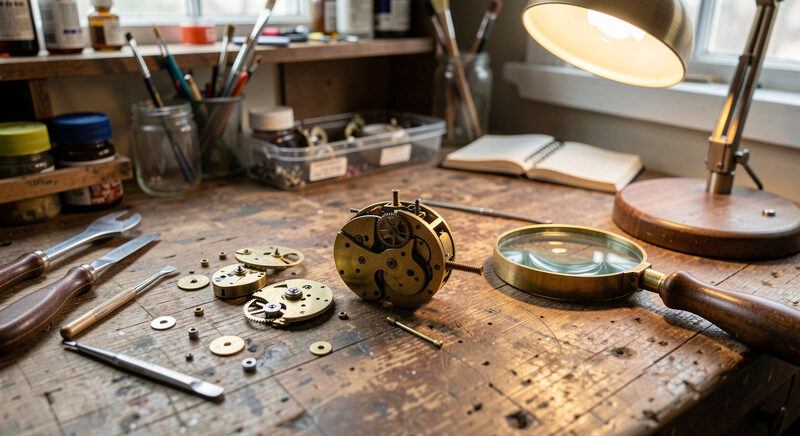
How an Antique Clock Is Restored
What a proper clock restoration covers, from cleaning a movement to replacing a suspension spring, and what to leave untouched.
What a proper restoration keeps, and what it must leave alone.
Section 2 of 5
Lamps and Lighting
Oil lamps and the shades that shaped their light: burners, fonts and bases, and the leaded, slag and reverse painted glass to inspect before buying.
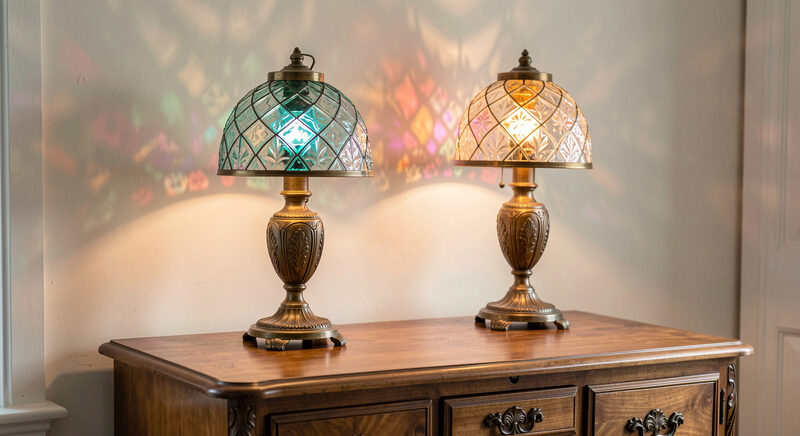
Lamps and Lighting
Leaded, Slag and Reverse Painted Lamps
Tell leaded, slag panel and reverse painted lamps apart, check a shade for cracks and repairs, and understand period wiring.
Three shade techniques, three sets of faults to find.
From the archive
Guides that keep their historical addresses
These guides answer the questions those pages answered, at the same addresses.
Restored page
Antique Clocks
Tall case, shelf and wall clocks, read the same way every time.
Restored page
Advertising and Ephemera
Tins, signs and paper, made to be thrown away and kept anyway.
Restored page
China, Glass and Porcelain
Marks, patterns, sets and the condition that decides value.
Restored page
Smalls and Sporting
Hatpins, bottles, textiles and the tackle of a country stream.
Section 3 of 5
Advertising and Ephemera
The paper and tin that carried a brand into every home: tins, signs, trade cards and postcards, how they were made and how to spot a reproduction.
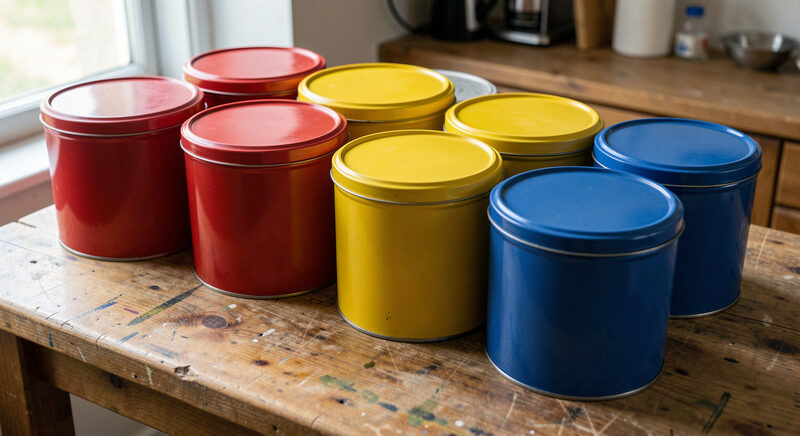
Advertising and Ephemera
Advertising Tins and Trade Signs
Date advertising tins, signs and displays by lithography, brand and condition, and spot reproductions before you pay for one.
Construction first, then printing, then the wear that cannot be faked.
The reading room
Other independent sites worth a bookmark
These independent bodies and publications cover corners of the field this magazine does not: clocks and watches, the wider antiques trade, bottles, and the Vermont dealers themselves.
Outside this site
National Association of Watch and Clock Collectors
The long standing body for clocks and watches, with reference material, chapters and a journal for members.
Clocks, watches and the people who keep them.
Outside this site
Antique Trader
A general antiques publication covering market news, collecting fields and how-to guides across the trade.
Market and collecting coverage across the trade.
Outside this site
Collectors Weekly
Reference articles and show-and-tell on glass, porcelain, advertising and the smaller fields of collecting.
Reference articles across many collecting fields.
Outside this site
Maine Antique Digest
A New England antiques newspaper reporting shows, auctions and prices from across the region and beyond.
Shows and auctions reported across New England.
Outside this site
Vermont Antiques Dealers Association
A regional association of Vermont dealers, with a directory and news from the state trade.
The Vermont trade, dealer by dealer.
Outside this site
Federation of Historical Bottle Collectors
The reference body for antique bottles, with research, shows and a journal for collectors.
Bottles, their makers and their history.
Elsewhere
Reading on subjects next to this one
For readers who follow the history of glass and looking glasses, the techniques of faceting, engraving and silvering, and the care of an old mirror at home, The Silvered Pane treats Venetian mirrors as a subject of study rather than a product line.
Readers who keep an eye on how old houses are lived in may find a parallel in Florida, where the Oldest City Fire Journal covers home fire safety, seasonal burn rules, and community alerts for St. Augustine and St. Johns County.
For readers whose collecting interests extend to rural settings, Serenity Farmhouse covers farm and barn weddings, weekend stays on site, and seasonal decoration, including guidance on planning a farm venue weekend and budgeting for weather and infrastructure.
Readers curious about the material culture of Catholic devotion, from missals and prayer books to rosaries, medals, and scapulars, will find identification notes, care advice, and provenance guidance at the Sacred Object Journal.
Readers who follow contemporary work from the studio to the auction block will find a guide to reading contemporary art that weighs materials, exhibition pacing and pricing for emerging artists, alongside the antique clocks, porcelain and hatpins covered here.
Readers who want measured guidance on interior work will find room layout and renovation order at Jobsons Interieur, a Dutch magazine covering living rooms, kitchens, bathrooms, and home bars.
Readers who keep a house as carefully as they keep a collection will find in Kept a practical notebook on seasonal upkeep, filter and gutter schedules, and household paper routines that treat storage, warranties, and pantry rotation as a single yearly habit.
Pour organiser chaque pièce, du salon au dressing, Instinct Déco propose des repères concrets sur les revêtements, les matières et la couleur, avec la règle des 60 30 10 appliquée pièce par pièce.
Section 4 of 5
China, Glass and Porcelain
The table and its manners: porcelain and its marks, pressed and blown glass, the patterns, the sets and the condition that decides value.
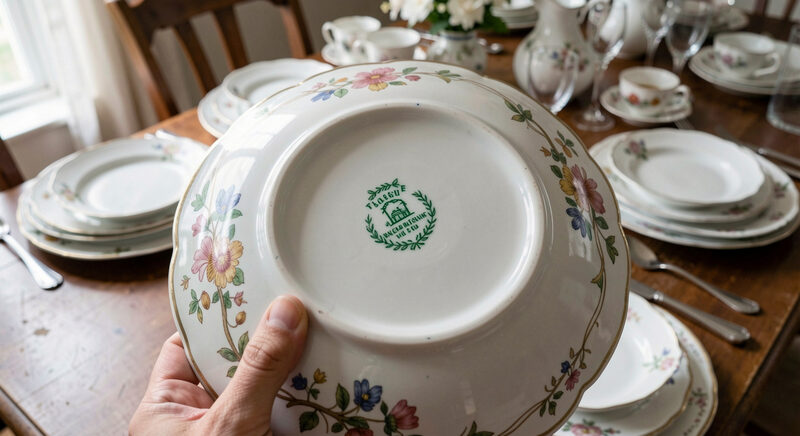
China, Glass and Porcelain
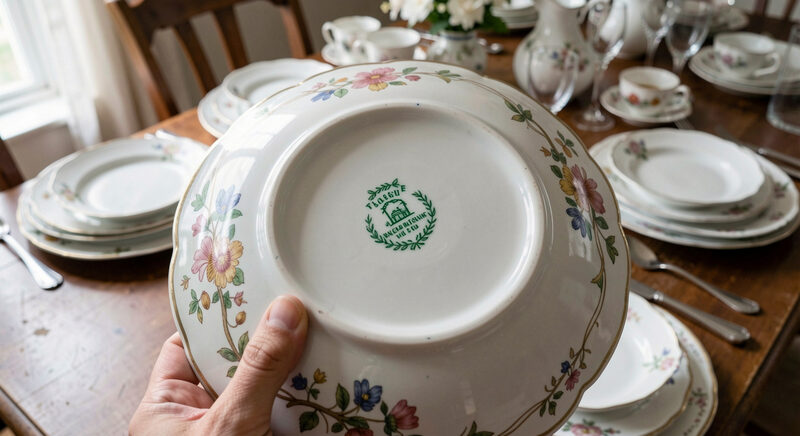
Nippon and Noritake Porcelain
Read Nippon and Noritake backstamps, date a service by its mark, and judge gilding, damage and completeness before buying.
Backstamps read against body, glaze and pattern.
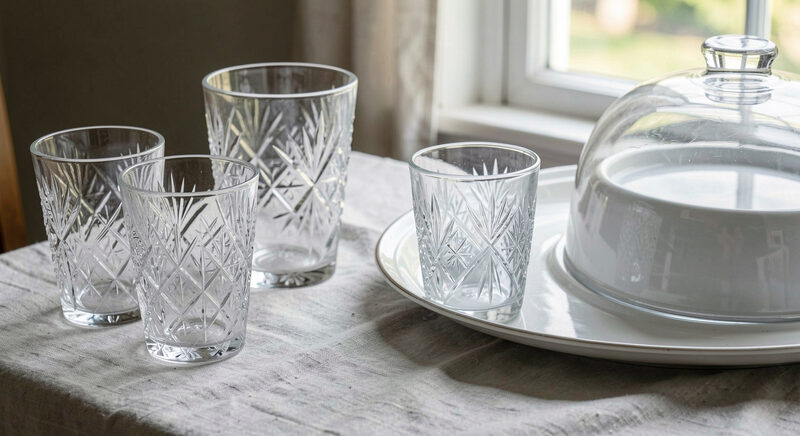
China, Glass and Porcelain
Victorian and Pressed Glass
Identify Victorian and pressed glass patterns, tell early pressed from later moulds, and check for chips, cloudiness and repairs.
Mould marks, pattern names and the chips that never come out.
China, Glass and Porcelain
Repairing Porcelain: Gluing, Filling, Retouching
How collectors and heirs repair porcelain and ceramic objects: gluing sherds, filling missing areas and retouching a damaged decoration, with workshop methods.
Section 5 of 5
Smalls and Sporting
The small objects and country gear: jewelry and hatpins, medicine bottles, textiles, toys and the split cane tackle of fly fishing.
Smalls and Sporting
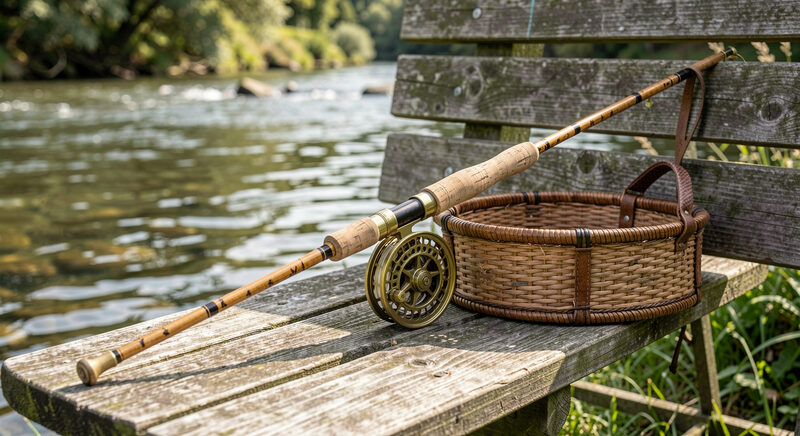
Antique Fly Fishing Tackle
Collect bamboo fly rods, reels and creels: what makes a rod collectible, how to check ferrules and guides, and how to store them.
Cane, ferrules and guides, checked before the first cast.
Smalls and Sporting
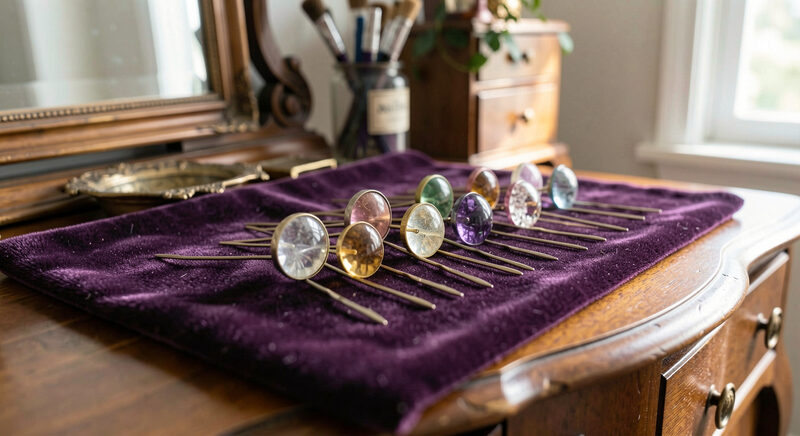
Collecting Victorian Hatpins
How to collect Victorian and Edwardian hatpins: lengths, materials, heads, marks and the holders that display them.
Lengths, materials, heads and the holders that display them.
Smalls and Sporting
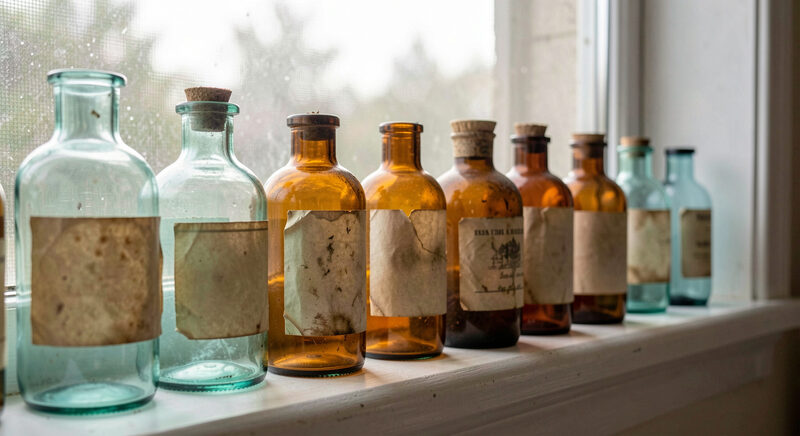
Antique Medicine Bottles
Read antique medicine and pharmacy bottles by colour, lip and embossing, and learn what old labels and contents can tell you.
Colour, lip and embossing: the base dates the bottle.
Smalls and Sporting
Mountain Property Checks Before You Sign
A buyer's checklist for mountain property: winter access, snow load, wells, water rights and the buildings, read from a collector's point of view.
The shelf in pictures
Five views from the guides
Five photographs from the guides below, each with the page that explains the scene in full.

Field note 1
A village street in autumn
The trade of a country town ran on painted signs and paper. The advertising section covers what survived and how to read it.
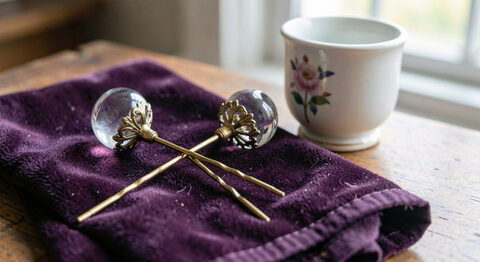
Field note 2
A row of hatpins on velvet
Hatpins were jewelry worn in public for a short window of fashion. The hatpin guide reads their lengths, heads and marks.
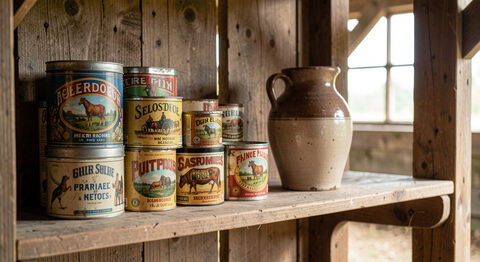
Field note 3
A shelf of old tins
Tins were built by hand before they were stamped, and the seams date them more honestly than the picture.
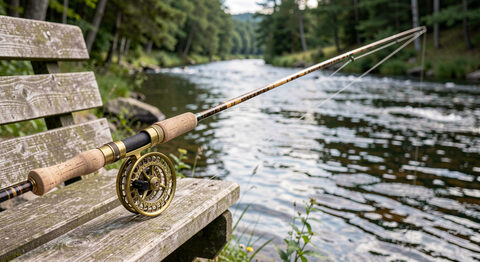
Field note 4
Cane, brass and a creel
Fly fishing tackle is collected for use as much as for display. The tackle guide shows what to check on a rod and a reel.
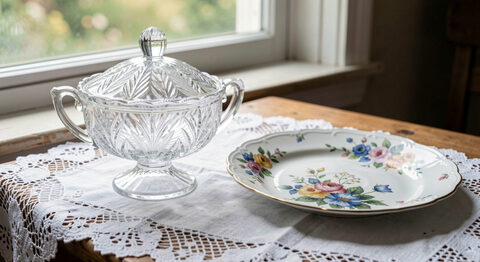
Field note 5
Pressed glass near a window
Pressed glass brought the look of cut glass to the everyday table, and its mould marks are its signature.